
Vision and Mission Statement of the Rose Belle Sugar Estate Board
Vision Statement
To be the leading Estate in Mauritius spearheading Agricultural and diversified projects to sustain the economic future of the organisation and to enhance the economic and social development of the country.
Mission Statement
Through a transformational plan and diversification of our products and services, and using innovation and best management practices, driving the RBSEB into the future for the benefit of our stakeholders and the community at large.
THE ROSE BELLE SUGAR ESTATE BOARD TODAY
The Rose Belle Sugar Estate Board (RBSEB) operates under the aegis of the Ministry of Agro-industry and Food Security. Following the sugar reform strategies, the Estate had to undertake several major decisions based on key strategic drivers to ensure its survival as well as to improve its efficiency and productivity. The Estate had to shift its status from sugar cane planter to that of investment opportunity seeker by reviewing its business model and undertaking a diversification process into new markets. The Board came up with other operating revenues as here under:
- Diversified projects opportunities
- Lease rental for long/medium term projects
- Leases of Land under defined schemes
Overview of the Estate
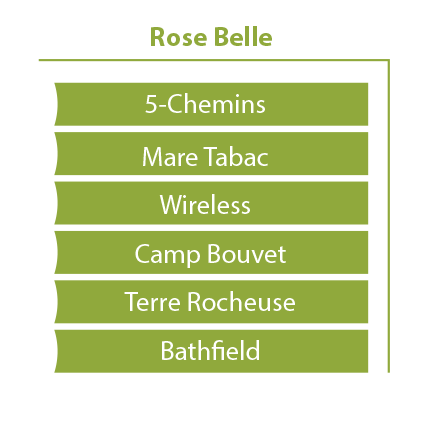
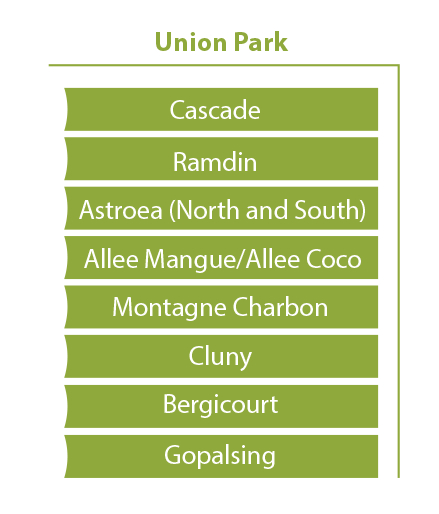
The total number of land under cane cultivation currently ranges from 2,800 to 2,900 Arpents. The harvest in some areas of the cane fields belonging to the RBSEB is partly mechanised. The Estate, previously segmented in different sections namely; New Grove, Marc Tabac, Rose Belle, Astroea, Cluny, Eau Bleue, Union Park and Le Val sections, has now been regrouped into two distinct sections; the Rose Belle section and the Union Park section.
Each section is associated with several adjoining blocks as shown below and each block has different fields.
Infography to show the different Sections and Blocks
 Click Image to Enlarge
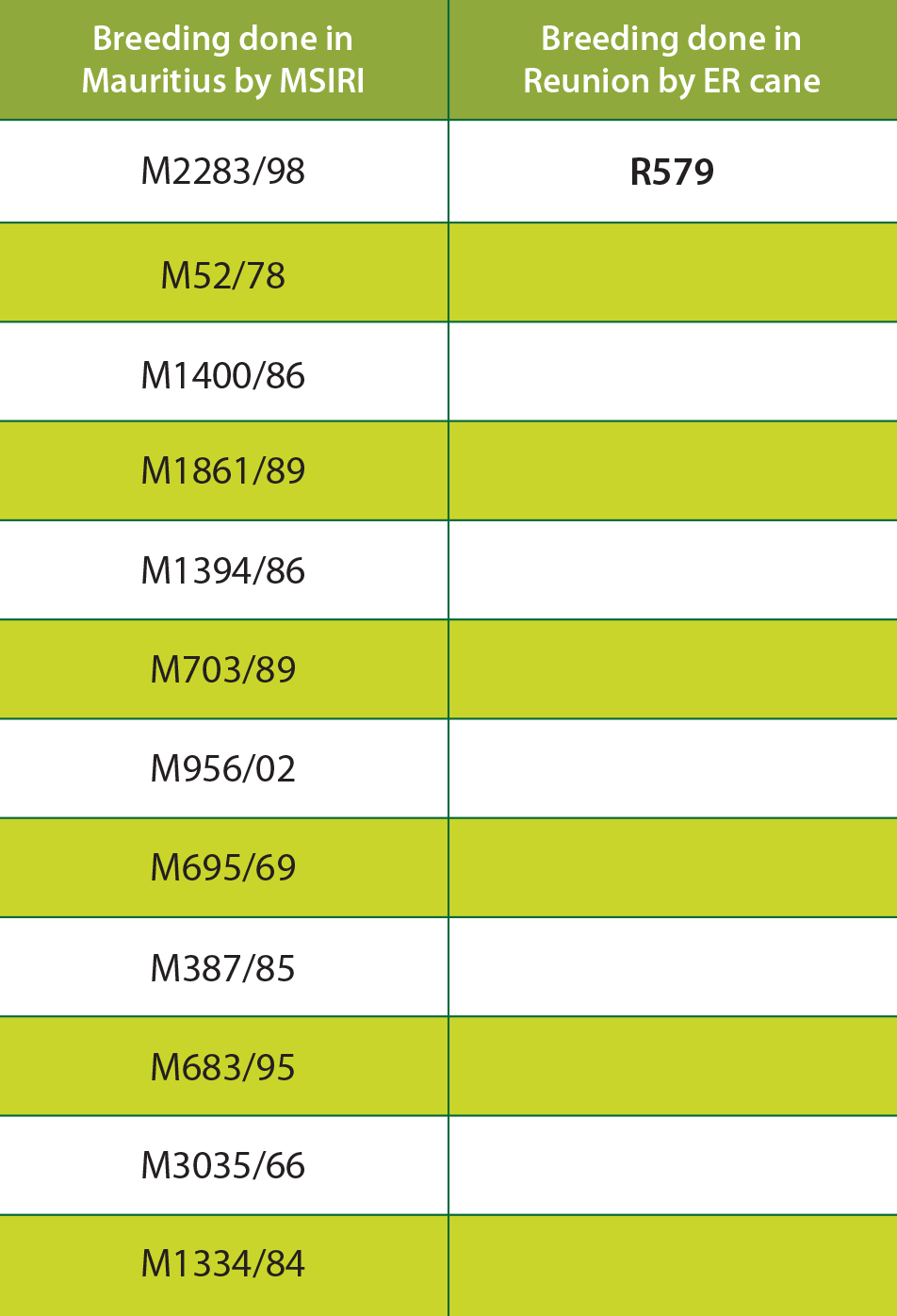
Varieties of Canes
The RBSEB has many varieties of canes that are grown by the Estate on its land depending on the respective regions. These canes are cultivated by two institutions that are the Mauritius Sugarcane Industry Research Institute (MSIRI) and the ER cane in Reunion Island. These varieties are as follows:
Currently, the Estate is highly labour intensive, but considering the ageing workforce, it is commendable to have a higher capital approach, but there is nevertheless a need to consider the cost of mechanisation as well. This will enable the RBSEB to reduce its dependency on labour.
Mauritius Sugarcane Industry Research Institute (MSIRI)
The involvement of the Mauritius Sugarcane Industry Research Institute (MSIRI), which today operates under the Mauritius Cane Industry Authority (MCIA), has been very valuable in helping and assisting the Estate to pursue its mission and vision. The main objectives of the Institution are to:
- Conduct research on all aspects of sugarcanes in order to enhance the cost effectiveness and competitiveness of the cane industry and to improve the efficiency of Mauritian sugar factories.
- Conduct research on technical and engineering options for improving the efficiency of factories and for value additions to the co-products.
- Conduct research programmes on such crops as the Minister of Agro Industry and Food Security may approve.
- Maintain an effective interaction with the agricultural sector and with national and international bodies.
The RBSEB has collaboratively leased around 26 Arpents of land to the MSIRI in the region of Union Park. These plots of land are used by the MSIRI for experimentation purposes.
Board and Committees
The new Board was constituted on 6 June 2015.
Sub-committees were set up by the Government of Mauritius for a proper running of the day-to–day activities of the Estate while able to cater for the welfare of the staffs and employees of the RBSEB.
Sub-committees are as follows:
- Finance & Tender Committee
- Human Resource & Good Governance Committee
- Business Project & Development Committee
- Social & Welfare Committee
- Legal Committee
- Cane and Land Management Committee
WORKFORCE OF THE ROSE BELLE SUGAR ESTATE BOARD
The labour force of the RBSEB represents a huge strength for the Estate. The RBSEB has a growing ageing workforce in both its cultivation and garage departments and these employees hold a wealth of skill and experience as they have been employed since a long period of time. The RBSEB has a small number of dedicated staff who are committed towards the success of the Estate.
"There are no secrets to success. It is the result of preparation, hard work, and learning from failure. "
– Colin Powell
The workforce of the RBSEB is illustrated in the table below:
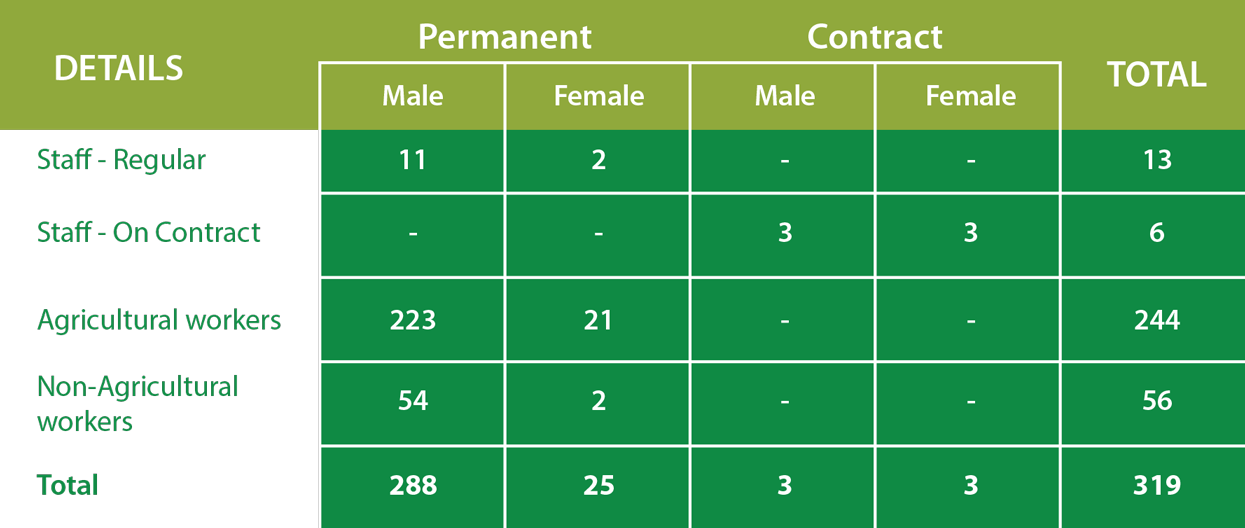 Infography Workforce
The RBSEB is highly labour intensive, but considering the ageing population, it is desirable to have a higher capital intensive approach but there is a need to consider the cost of mechanization as well. This will enable the RBSEB to reduce its dependency on labour and concentrate on a longer-term approach.
Different Clusters of the Estate (Lease of land to third parties)
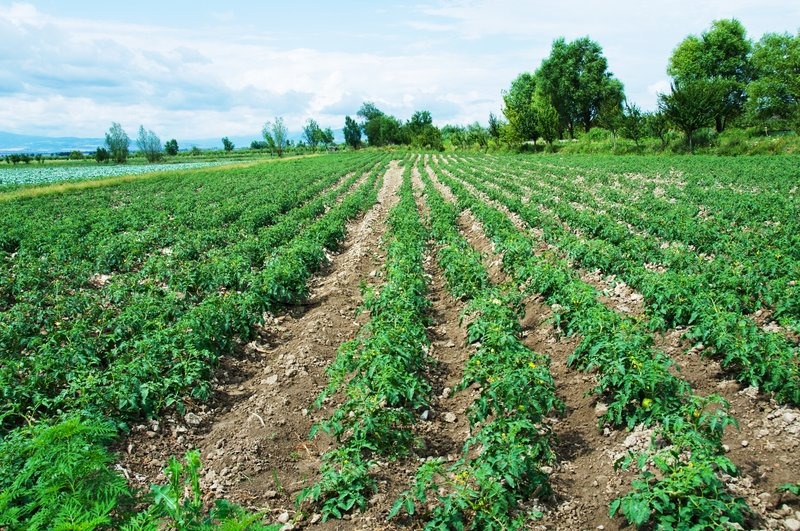
The 500 Arpents Scheme Project
 Click Image to Enlarge
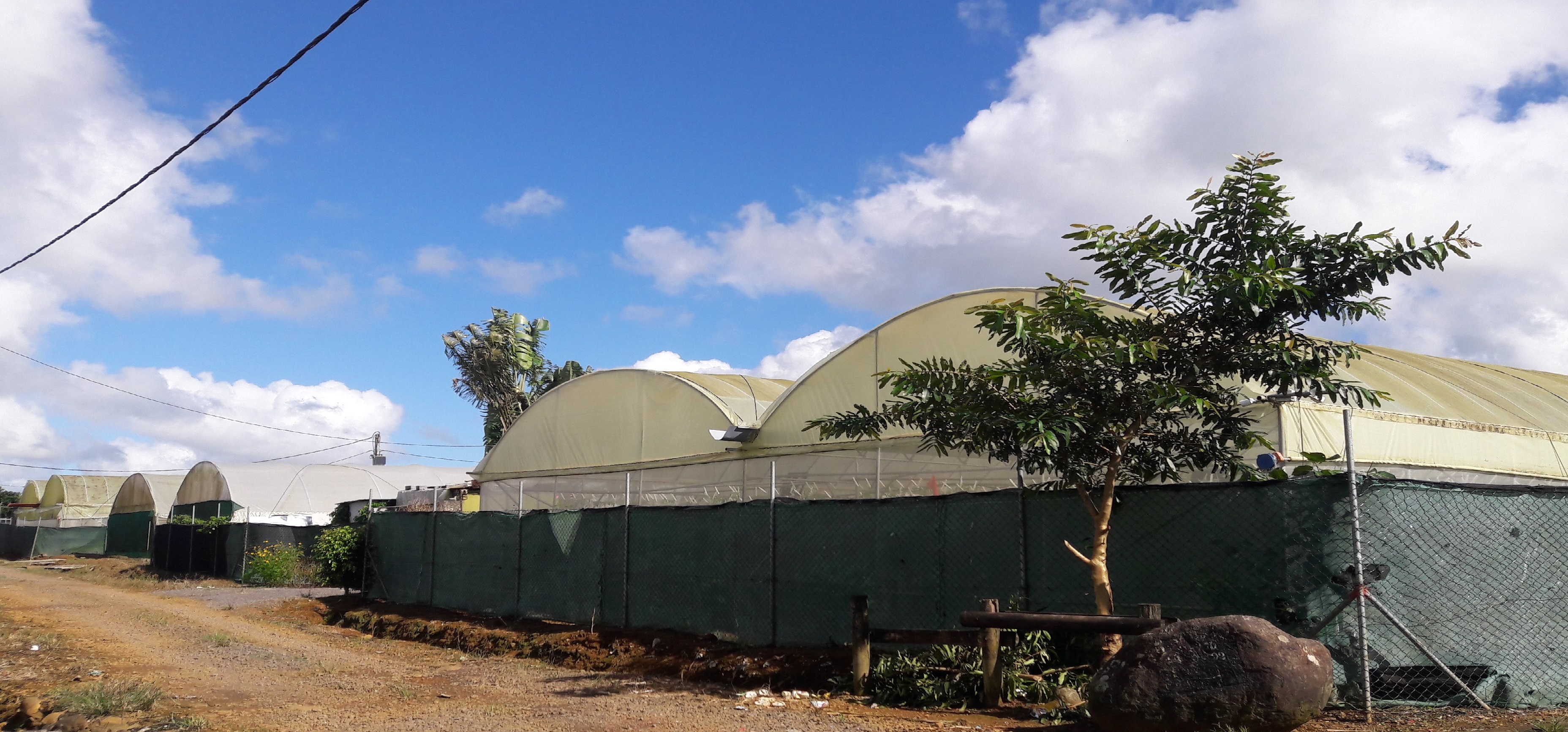
The allocation of 500 Arpents of land for agricultural diversification and the setting up of a Hydroponic Village were the priorities of the Government during the year 2005/2006.
 Click Image to Enlarge
During the budget 2005/2006, the Government had requested the Sugar Industry to allocate 500 Arpents of land for lease to small planters for crop cultivation and livestock production.
The 500 Arpents of land were proportioned as follows:
- 300 Arpents of Rose Belle Sugar Estate Board (RBSEB)
- 100 Arpents of MSPA
- 100 Arpents of SIT
- Out of the 300 Arpents earmarked by the RBSEB, 85 Arpents were earmarked for livestock projects. An additional 15 Arpents of land was allocated for hydroponic projects. The first lease agreement was signed at the RBSEB in January 2007.
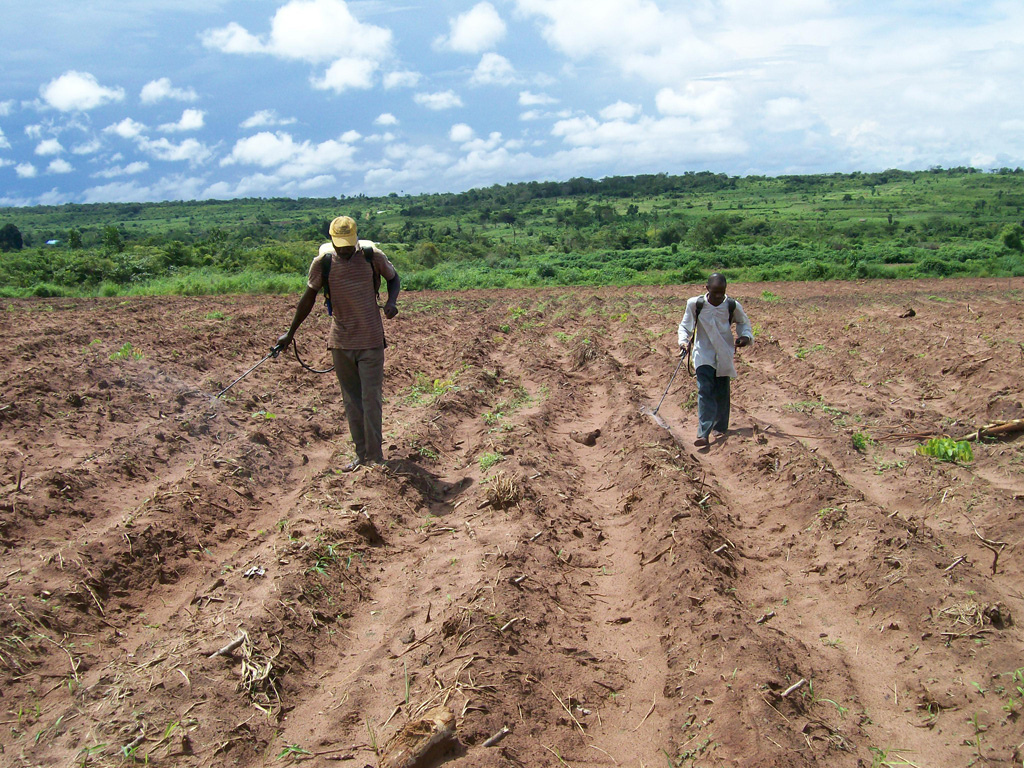
Short Term Land Lease
The RBSEB put at the disposal of small planters several plots of land on a short-term lease basis, for a maximum period of one year, renewable at the option of the Lessor. The objective is to give a boost to small planters.
 Click Image to Enlarge
Employees’ Real Estate Investment Trust (EREIT)
The EREIT was set up in year 2005 by a policy of the Government at that time with the aim to democratise land ownership by giving citizens of Mauritius a direct stake in the productive resources of the Mauritian economy. The initial Unit holders were all employees, as defined under the National Savings Fund Act, as at 30 June 2004.
These plots represent the 200 Arpents of land the RBSEB sold to EREIT. The land has been under cane cultivation but still operated by the RBSEB for which the latter pays a management fee to EREIT annually. Alternatively, the RBSEB has partially leased land on short-term basis to a few planters a few years back.
Rock Quarry Plants
 Click Image to Enlarge
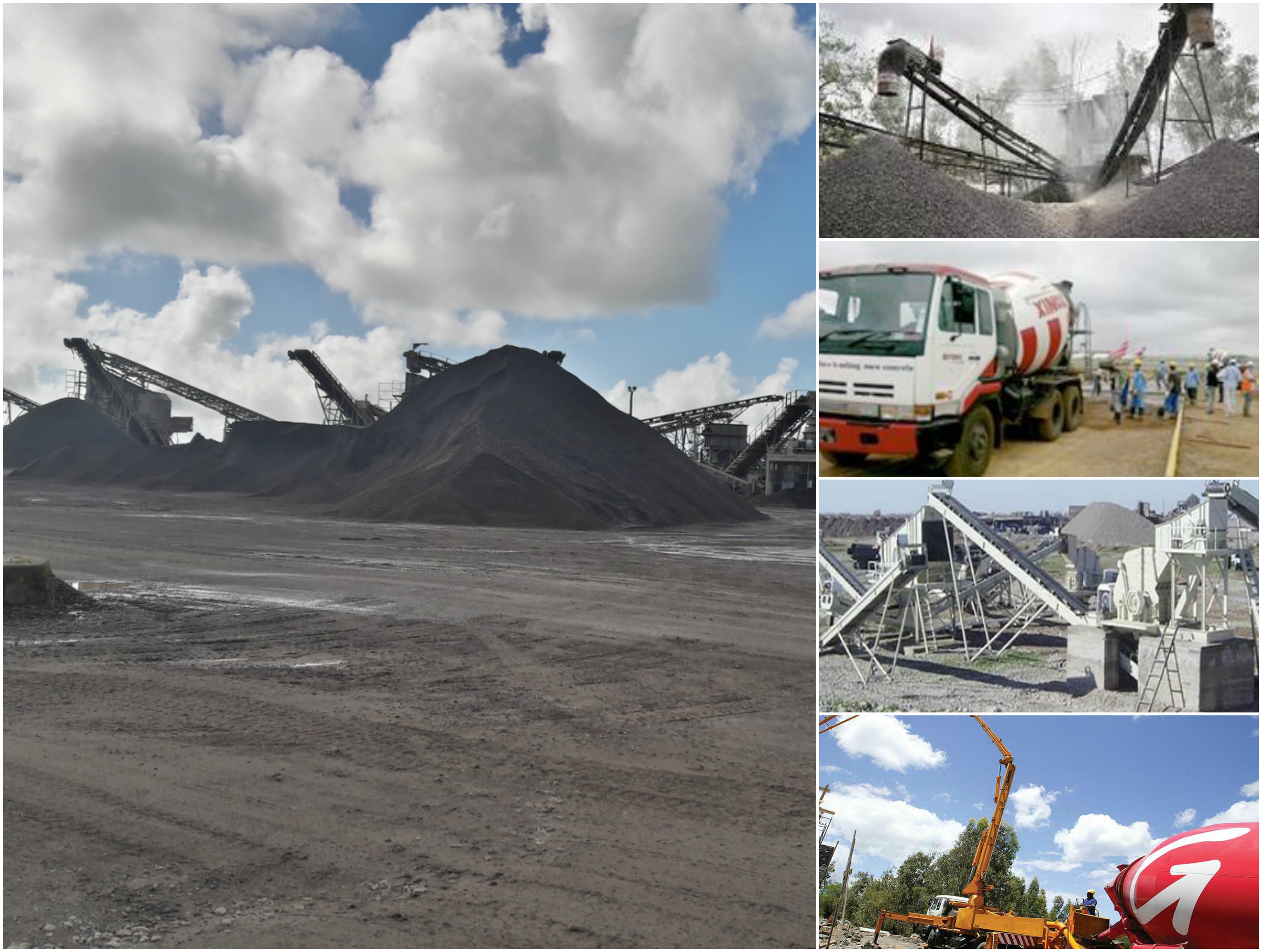
Out of its total land, 182 Arpents are not suitable for agriculture due to its topology and quality of soil. Therefore, the RBSEB has decided to lease that unproductive land for rock quarry activities. These lessees are:
- Gamma Materials Ltd
- Betonix
- Avantime Ltd
- La Rocaille Ltd
Socio-Cultural Activities
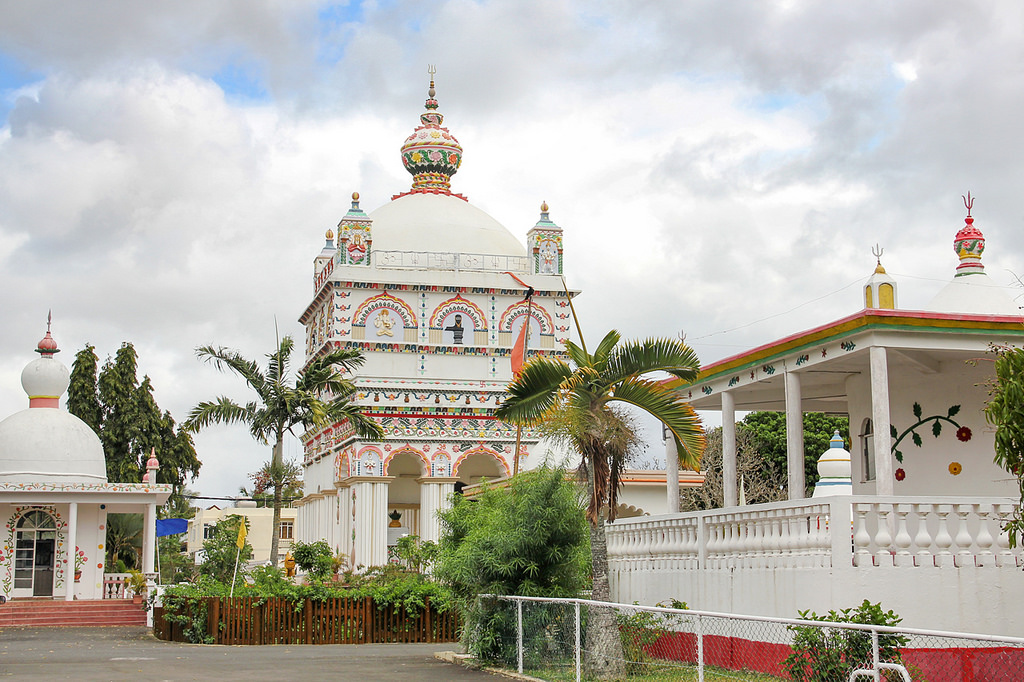
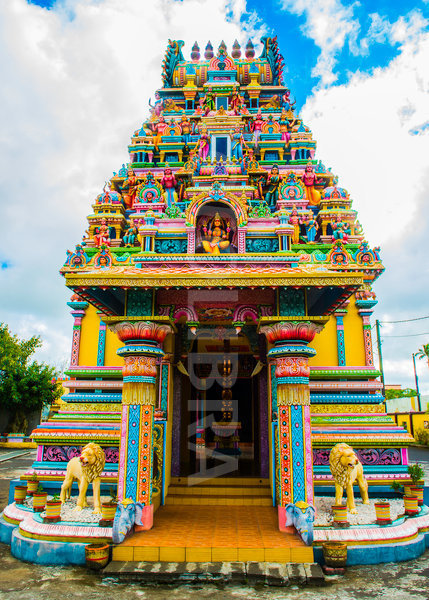
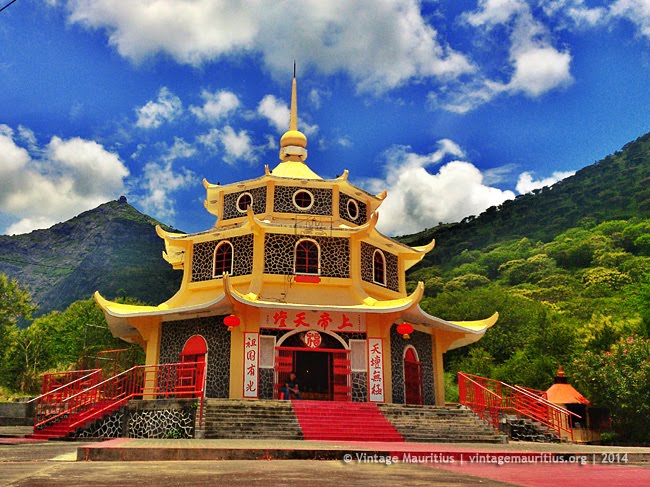
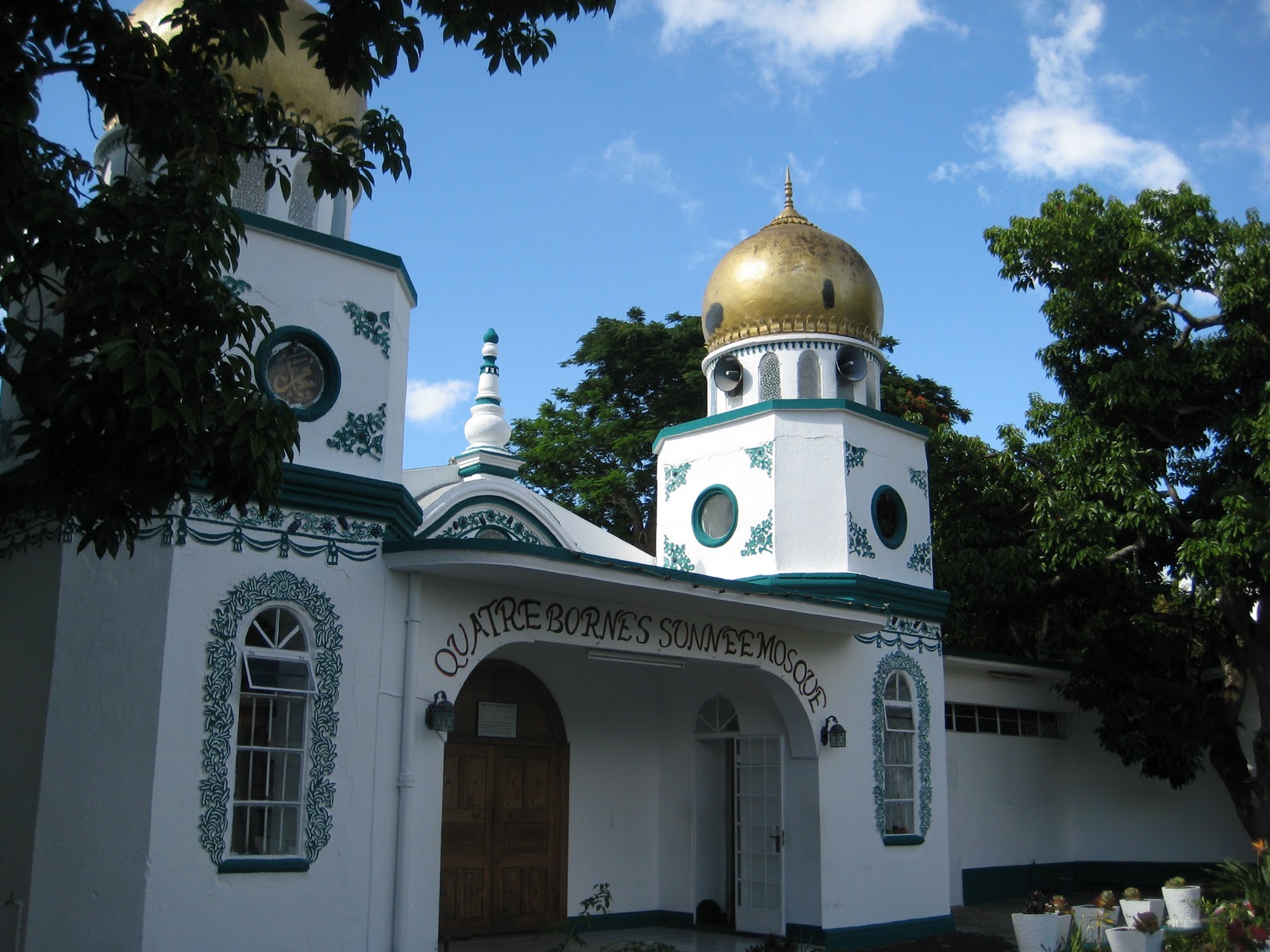 Click Images to Enlarge
The RBSEB has always collaborated and responded positively to the request for lease of land from various socio-cultural organisations in the past years. Therefore, the RBSEB has always contributed to the community services and welfare in the region.
Diversification
The RBSEB pursues its portfolio diversification strategy by identifying horticulture as a source of business activity. Ornamentals plants such as Orchids represent an important source of alternative cropping patternp with sispositive returns with the increase in demand for flowers.
Orchid Cultivation Project
Since 1992, Orchid cultivation has emerged as an immense opportunity for the RBSEB and a way forward to earn more revenue. With the help of the Taiwanese Government, an expert in orchid production was attached to the project till 1995. A new shade house consisting of 6 units was installed in the region at Camp Bouvet, Rose Belle, with each variety of orchids in one shade house and a special shade house as nursery. The shade houses are now the home to an over thousands of orchid plants of four different species. They are cultivated in an ambient climatic condition under the supervision of qualified staff. Furthermore, matured plants are being reproduced and multiplied progressively.
Currently, there are 4 types of orchid plants namely:
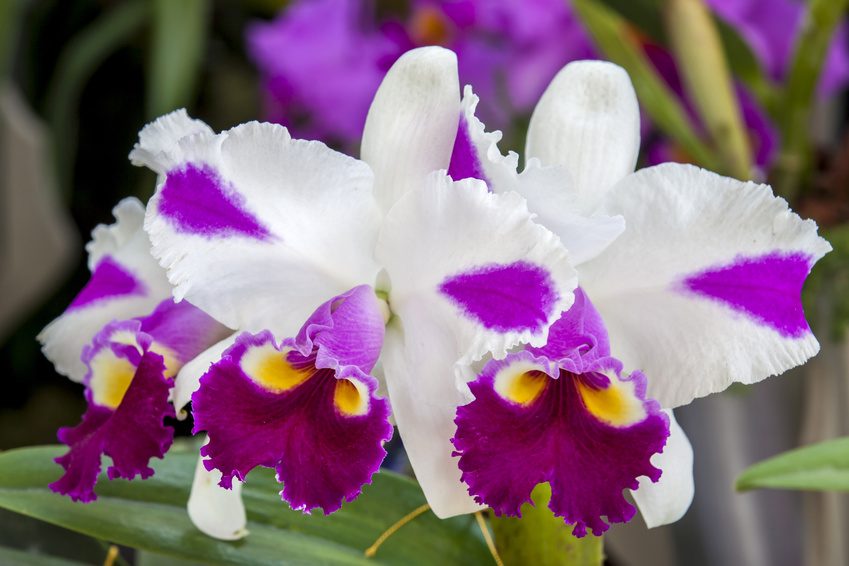 Cattleya
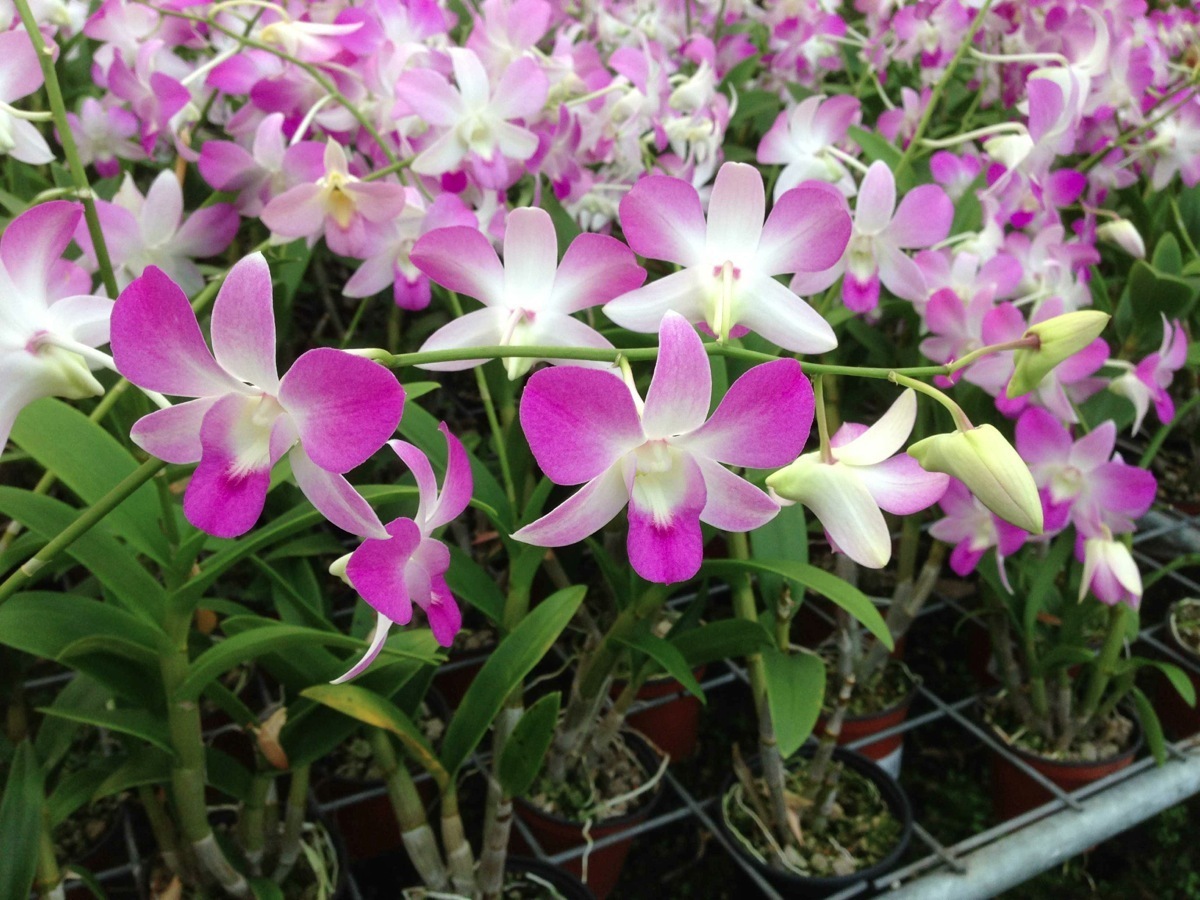 Dendrobium
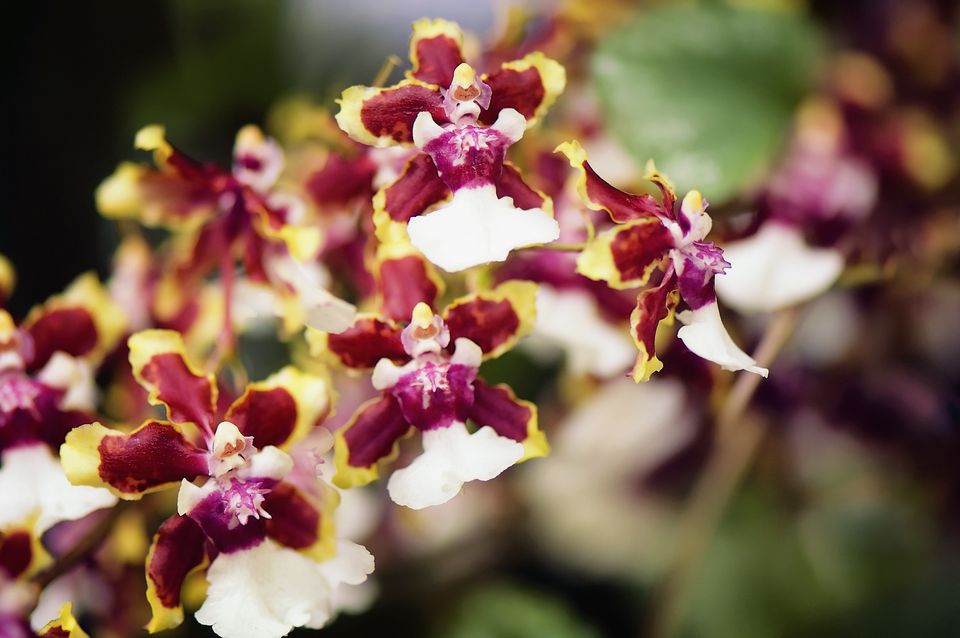 Oncidium
 Phaloepnosis
Flowers are sold on the local market on the following basis:
- Sale of cut flowers to the flower shops and to the public in general on an ‘as and when available’ basis.
- Flowering Orchids potted plants are leased to various Ministries on a monthly basis.
Deer Ranch
The RBSEB has a deer ranch of about 350 Arpents situated on the hills at Le Val. The RBSEB has the possibility of partnering with experienced promoters to promote the Deer Ranch in a professional manner since, in its actual mode of operation, the Deer Ranch has not been profitable over the past decade.
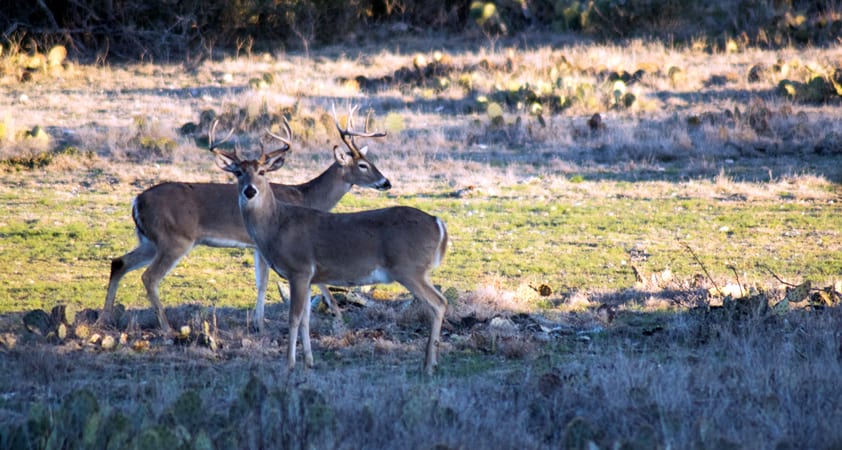 Click Image to Enlarge
Rose Belle Sugar Estate Board Events Venue
The residence of a former General Manager of the RBSEB has been refurbished into an Events Venue with high capacity to host events such as wedding and corporate parties, fundraising activities, sports events, product launches, etc. The RBSEB Events Venue is situated at Camp Bouvet, Rose Belle. Lessees have the possibility to set up ‘marquises’ or ‘salles vertes’ on the space of land available at their own cost.
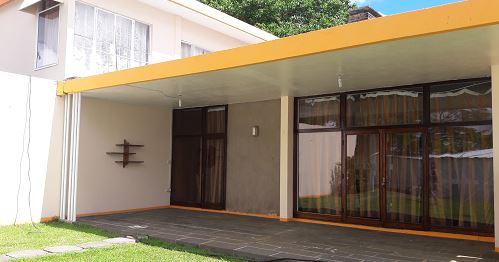 Click Image to Enlarge
On the long term, the RBSEB’s ambition is to become a unique events venue for activities of all sizes such as high class weddings, Conference Venue Halls, Training Rooms, Boardrooms and to provide value added services such as On-Site Catering, Audio and Visual Equipment, Parking area equipped with CCTV, etc.
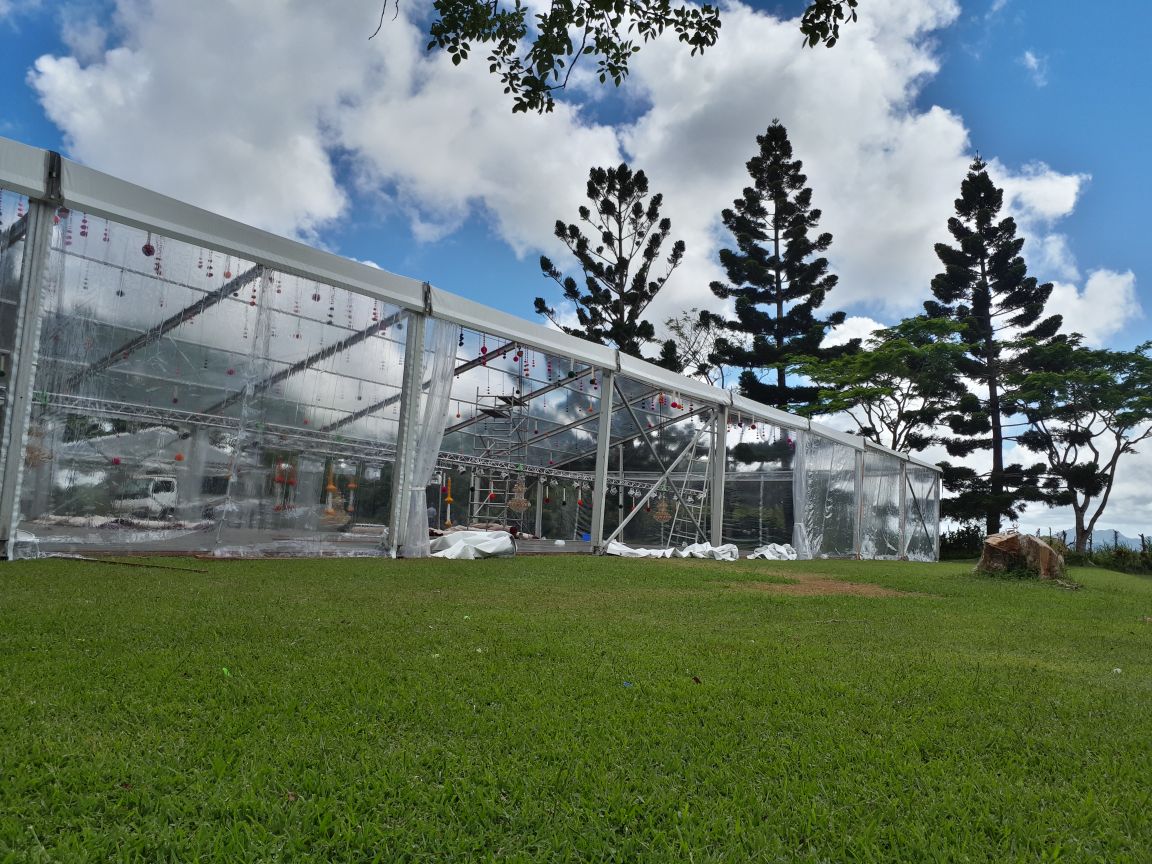 Click Image to Enlarge
Digital Cadastral Map
The RBSEB intends to set up a Digital Cadastral Map showing the ownership and extent of all properties or parcels of land belonging to the Estate and its neighbours.
The Digital Cadastral Map is the fundamental component of any cadastral system. The map is not stored in any conventional sense; nor is it an image or a view of a geographic area. Instead, the data is stored, from which it is possible to draw a desired view to suit a particular purpose. Its major advantage is that it displays the spatial relationships between features depicted on it.
Therefore, certain plots of land are made available to the Estate by the Government of Mauritius in order to pay off the RBSEB.
Rose Belle Sugar Estate Board - The Way forward.
A Turnaround Plan exercise for the RBSEB was formulated by BDO Mauritius and approved by the parent Ministry and the Ministry of Finance and Economic Development. Currently, the Estate is implementing this Turnaround Plan to enable the RBSEB recover from the current situation to a much brighter and sustainable growth.
This Turnaround Plan exercise include the revisiting of field operations so as to maximise sugar cane yields, cost saving strategies and shifting of low yield canes cultivation at Le Val for other activities.
Furthermore, a Land Optimisation Plan exercise has been worked out so as to identify the areas of land that can be exploited efficiently for diversification development purposes. The exercise aims also at identifying the different plots of land that would be suitable for cane cultivation, industrial, commercial and other purposes.
The Land Optimisation Plan exercise has therefore helped the Estate to develop a Master Plan of its land assets. By adopting this strategy, the Estate would be transformed into a service-focused company.
These changes will challenge stakeholders and executives to be more bold, adaptive and responsive. At the same time, those transformations will present them with enormous opportunities as the businesses grow and become fully-fledged and profitable business entities.
Therefore, this is the reason why the RBSEB should develop a new roadmap in order to identify the way forward and its long-term aspirations. The RBSEB’s business model needs to adapt to the changing local economy and to be ready to face new challenges. Since the RBSEB’s can no longer depend exclusively on sugarcane cultivation, the Estate needs to exploit other resources that match both the corporate agenda and sustainability of the business.